


The Future of Video Gaming Terminals: Illinois Lawmaker Pushes for Legalization in Chicago
Legislative Push to Legalize Video Gaming Terminals in Chicago
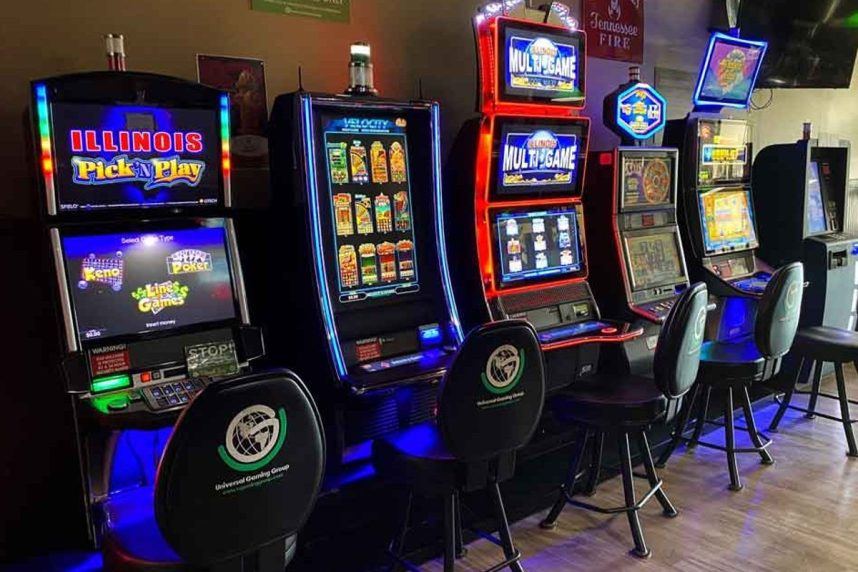
Legislation introduced by state Rep. Kam Buckner (D-Chicago) aims to transform the local landscape of recreational entertainment by allowing small businesses to transition from unregulated machines to licensed video gaming terminals. By formalizing the presence of video gaming terminals in neighborhood establishments, this move seeks to tap into new sources of tax revenue for the city, providing a stable financial lifeline for Chicago as it navigates ongoing economic struggles.
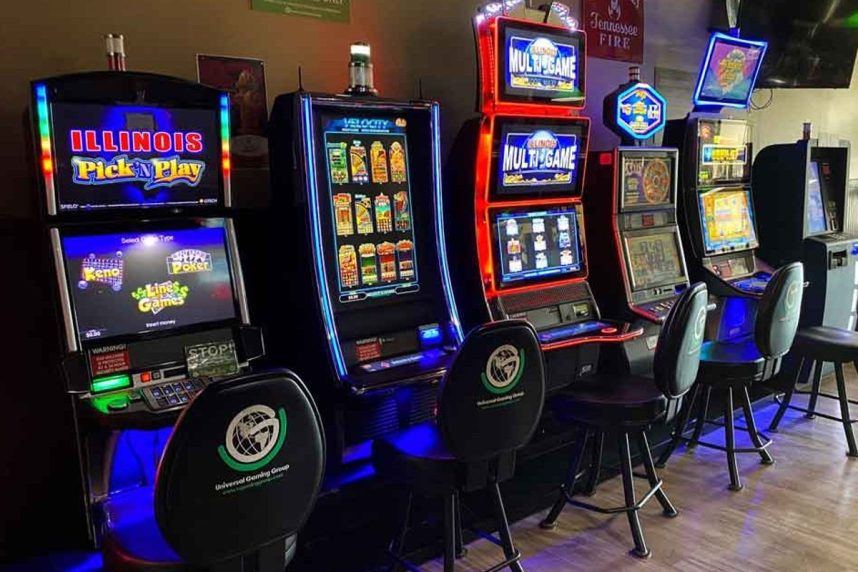
House Bill 5791 proposes to amend the Illinois Video Gaming Act, allowing business owners who previously hosted unregulated sweepstakes machines to pursue VGT licenses. The issue is pressing as sweepstakes machines, often considered illegal gambling devices, continue to increase in number across Chicago due to the city’s ban on VGTs.
Should Chicago lift its VGT prohibition, this bill would help create a structured pathway for businesses currently utilizing sweepstakes machines to apply for legitimate VGT permits via the Illinois Gaming Board.
Funding Problems
Chicago has been actively seeking solutions to fund its ailing pension systems for first responders. The long-anticipated $1.7 billion Bally’s Chicago downtown casino is expected to provide a significant boost, but progress on this development has not proceeded as planned.
The Chicago City Council has upheld its VGT ban since the state legalised these gaming machines for liquor license holders in 2012. Alongside HB 5791, Rep. Buckner is advocating for the repeal of the VGT ordinance in the Windy City.
Buckner has already engaged with city officials who seem receptive to the idea of lifting the ban. Alderman William Hall expressed, “No one would disagree that we need to look at every revenue option,” emphasising the urgency of the city’s financial situation.
No one would disagree that we need to look at every revenue option,” Alderman William Hall told the Chicago Tribune.
Buckner considers convincing the City Council as crucial to his plan of introducing VGTs to Chicago.
It’s still early, but we can’t do anything without them completely bought in,” said Buckner.
To illustrate the potential benefits of VGTs, it’s noteworthy that Illinois residents wagered around $2.8 billion on VGTs last year, as per state gaming regulators. Springfield, which has a significantly smaller population than Chicago, holds the record for the most VGT machines in the state. Springfield generated approximately $2.5 million in local tax revenue from its VGTs last year, indicating the financial benefits these machines can bring.

As of February, Springfield had 137 businesses offering VGTs with a total of 748 gaming devices, showcasing the demand for this kind of gaming within communities.
Sweepstakes Machines Explained
Interestingly, while Chicago upholds its ban on state-regulated VGTs, many small enterprises throughout the city have started incorporating sweepstakes devices. These grey gaming machines enable players to wager real money in pursuit of store credits. The Illinois Gaming Board has consistently ruled that these sweepstakes machines represent illegal gambling.
As Mayor Brandon Johnson looks for new revenue avenues to address the city’s homelessness issue, the need for legitimate gaming options becomes ever more pressing. Recently, city voters rejected Johnson’s $100 million “Bring Chicago Home” plan, which aimed to allocate resources for affordable housing and homelessness prevention by increasing property taxes on high-value properties, revealing the challenges the city faces in generating necessary revenue.
Only 52.2% of Chicagoans voted against the tax increase initiative, suggesting a complex public stance regarding urban development and taxation.
Conclusion
As legislation pushes forward that could permit VGTs in Chicago, it presents an opportunity for small businesses to benefit financially while also aiding the city in addressing pressing budgetary issues. By examining state regulations around video gaming, there is potential for restructuring how gaming is approached within city limits, paving the way for economic recovery and community support.
Key Takeaways:
- House Bill 5791 seeks to allow small businesses in Chicago to obtain licenses for video gaming terminals (VGTs).
- Sweepstakes machines are currently widespread despite being classified as illegal gambling devices.
- Chicago faces significant financial challenges, including funding pensions and homelessness prevention.
- Community leaders express support for exploring new revenue options through potential changes in gaming legislation.
- Comparative data shows VGTs generate considerable revenue in other cities, indicating similar potential in Chicago.
In summary, the move to legalize VGTs could provide significant economic benefits to Chicago, helping both local businesses and contributing to the city’s overall financial health.

