


From Iditarod Controversy to Sports Betting Odds: Why Fans Are Shifting Their Focus | 10BET
From Racing Risks to Sports Betting: Why the Iditarod Controversy is Shifting the Focus to High-Stakes Sports Betting
Much like the high-stakes adrenaline found in the world of sports betting, the Iditarod mushing race carries an intense level of risk that has recently come under scrutiny. A concerning trend involving dog fatalities during Alaska’s renowned race has sparked renewed calls for the prohibition of this long-standing event. Known as the “Last Great Race on Earth,” the competition stretches over 1,000 miles, presenting extreme challenges for both dogs and mushers that mirror the unpredictable volatility seen in professional gambling.
The Iditarod is one of the few avenues for legal gambling in Alaska, where only certain traditional games are permitted. Apart from the Iditarod, residents can engage in charitable sweepstakes or play bingo at rare tribal gaming facilities. The latest incident has not only raised questions about the welfare of the dogs but also about the very nature of gambling on such events.
Understanding the Iditarod Race
The Iditarod runs from Anchorage to Nome and involves sled teams of 12 to 16 dogs navigating through harsh weather conditions including subzero temperatures, blizzards, and gales. The race has a storied history, established in 1973 by local musher Joe Reddington, aimed at preserving the art of dogsledding.
Recent Tragedies
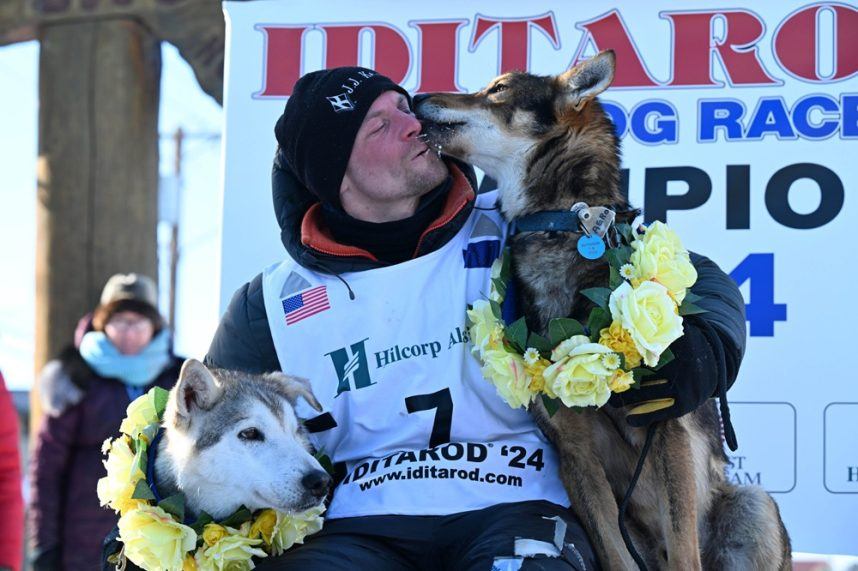
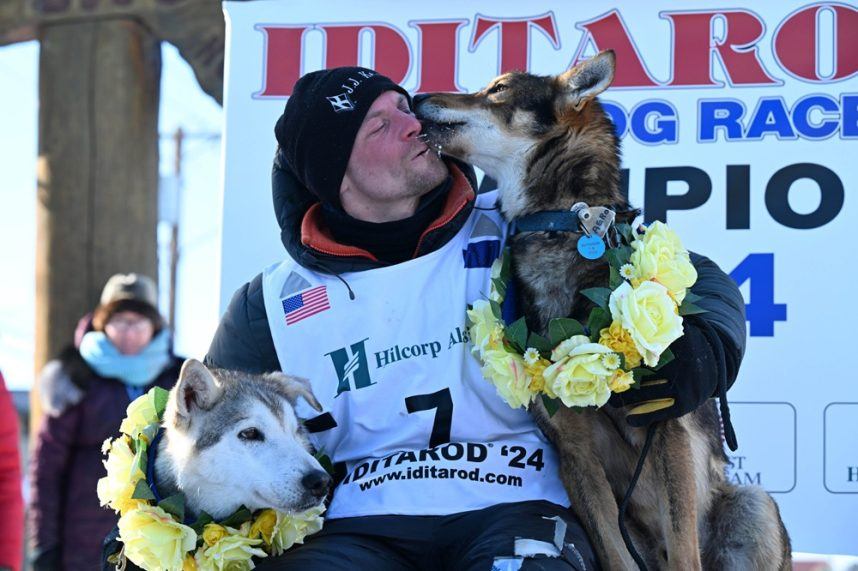
This year’s race was won by six-time champion Dallas Seavey, who notably survived a moose attack. However, his victory was overshadowed by the tragic deaths of three huskies during the competition and five others during training sessions. Over the last 51 years, over 100 dogs have reportedly perished, according to animal welfare organizations.
“These are not super dogs. They’re not indestructible pieces of sporting equipment,” stated Melanie Johnson, a senior manager at PETA. “They deserve better treatment, yet the Iditarod forces them beyond their limits, leading to suffering and death.”
Iditarod Betting and Legalities
Alaska’s regulations allow non-profit organizations to conduct betting sweepstakes on dog mushing under specific conditions; typically, two or more elements of chance must be involved. In 2020, this led to the introduction of the Iditarod Trifecta, enabling the public to bet on various factors, including the winning musher and their finishing time. Unfortunately, this innovative betting scheme appears to have been discontinued.

Other Betting Opportunities in Alaska
The legal framework in Alaska also permits betting on various unique sports, such as:
- The Fish Derby: A fishing competition engaging participants in guessing weight and catch rates.
- Creamer’s Field Goose Classic: A chance-based game where players guess when the first goose will arrive.
- Canned Salmon Classic: Participants wager on the total number of salmon cans packed during designated harvesting periods.
Sadly, neither the Goose Classic nor the Canned Salmon Classic are currently active events.
A Community Divided
The Iditarod presents a compelling blend of history, community pride, and intense scrutiny. Advocates for animal rights and those calling for a ban on the race argue that the event’s risks far outweigh any cultural significance it may hold. Conversely, many local communities maintain the race is a vital part of their tradition, contributing economically and culturally in numerous ways.
Conclusion
The controversy surrounding the Alaska Iditarod underscores a complex intersection of tradition, animal welfare, and gambling. While it offers significant betting opportunities, the ethical considerations raised by recent dog deaths challenge its future viability. As discussions continue, the fate of the Iditarod might be on the line, igniting a broader conversation about the treatment of animals in competitive environments.
Summary: The Iditarod race in Alaska has come under fire due to recent dog fatalities, prompting animal rights groups to call for its ban. As one of the last legal avenues for gambling, the race faces scrutiny from both the public and regulators regarding animal welfare and the ethics of betting on such events.

