Gambling Superstitions: What Las Vegas Gamblers Believe
Introduction to Gambling Superstitions
Las Vegas, the gambling capital of the world, is home to a myriad of superstitions that influence the way gamblers approach their games. From lucky charms to specific rituals, these beliefs often dictate behavior at the blackjack table or the roulette wheel. Let’s delve into some of the most common gambling superstitions that Las Vegas gamblers hold dear.
1. Lucky Charms and Rituals
Many gamblers believe that carrying certain objects, known as lucky charms, can bring them fortune. Common lucky charms include:
- Rabbit’s Foot: An age-old symbol of good luck.
- Coins: Found coins are especially revered as signs of prosperity.
- Four-Leaf Clovers: A symbol of luck in various cultures.
Rituals can also be commonplace, such as specific seating arrangements at poker tables or placing bets in a particular order. These personalized rituals can enhance confidence and focus.
2. The Number 7: The Ultimate Lucky Number
Among gambling superstitions, the number 7 stands out as the favorite. Many believe that hitting a 7 in games like slots and roulette can lead to big wins. This belief is often perpetuated by the frequent occurrence of the number in gambling lore.

3. Avoiding the ‘Curse of the Player’ or ‘Cold Streaks’
Gamblers often refer to ‘cold streaks’ or ‘the curse of the player’, where a particular seat or slot machine seems to bring bad luck. To counteract this, many will switch tables or machines after experiencing a series of losses, hoping to escape the curse.
4. Entering and Exiting Casinos
How gamblers enter and exit casinos can also hold superstitious significance. Common beliefs include:

- Entering with the Right Foot: It is said that entering a casino with your right foot first brings good luck.
- Exiting on a Win: Gamblers often believe that one should leave the casino when they are ahead, as exiting with a loss might attract bad luck.
5. Dice Superstitions in Craps
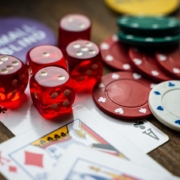
In the game of craps, the way players handle the dice can be steeped in superstition. For instance, players often blow on the dice before rolling them, believing this ritual can enhance their chances of winning.

6. The Color Red: A Symbol of Good Luck
Red is a color frequently associated with luck in various cultures. In Las Vegas, gamblers often wear red clothing or accessories while playing to attract positive vibes. This superstition particularly flourishes in games like roulette, where players may bet on red to manifest their desired success.
7. Celebrity Endorsements and Superstitions
Some gamblers hold firm beliefs that using the same strategies or rituals as celebrities can bring them luck. Observing how famous figures place their bets or wearing similar attire can instill a sense of confidence.
8. The Impact of Omens and Signs
Gamblers often consider omens or signs as indicators of their gaming success. Common signs include:
- A bird flying overhead.
- Unusual occurrences, like finding a penny.
- Meteorological changes, such as rain on non-rainy days.
These signs can lead to pivotal changes in betting behavior and strategies.
9. Bad Luck Signs: What to Avoid
While gamblers focus on good omens, numerous bad luck signs exist that players aim to avoid to ensure success:
- Crossing paths with a funeral procession.
- Seeing a black cat.
- Stepping on cracks on the sidewalk.
10. The Luck of the Casino
Las Vegas casinos themselves are often believed to harbor their own forms of luck. Different casinos may be thought to have ‘lucky’ machines or tables that can significantly influence a player’s fortunes. Regulars often have their favorite spots where they believe luck is on their side.
Conclusion
Superstitions are an integral part of the gambling experience in Las Vegas. Whether these beliefs truly have the power to shape outcomes is debatable, but one thing is certain: they add a layer of excitement and intrigue to the gaming experience. For those interested in exploring further, consider looking at resources such as the [American Gambling Association](https://www.americangaming.org/) for deeper insights into gambling culture and behavior.